
Your Inspection

Here's How Your Inspection Works
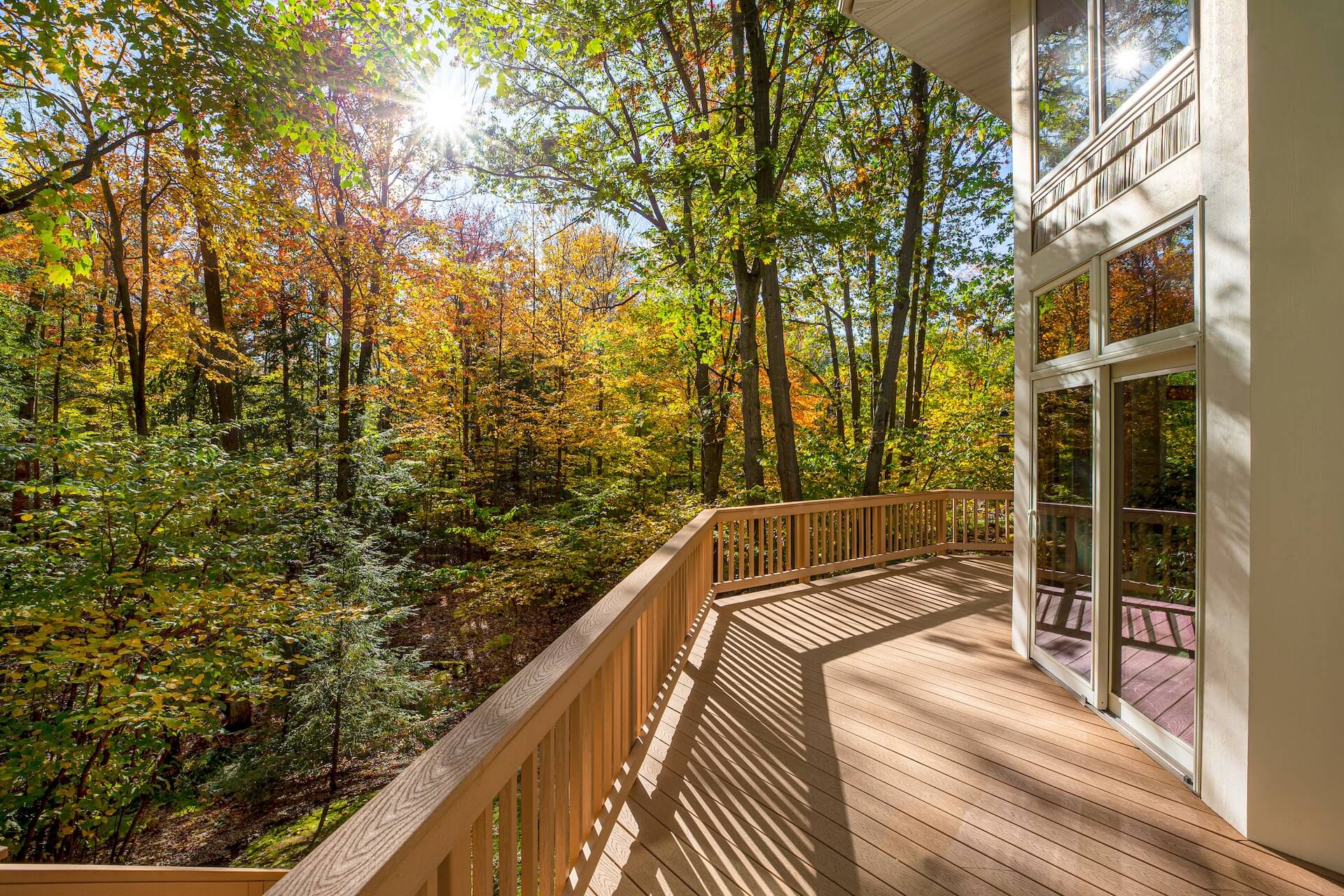
Wooden deck on a home surrounded by fall trees

Maybe you’re buying your first house, getting ready to list, or curious about the shape of the place you already own. In every case, your inspection with Gold Ribbon Inspections starts with a conversation about what you need, what concerns you, and what you hope to learn before I ever arrive.

As a licensed home inspector, I follow the Ohio Home Inspector Standards of Practice. That gives you a consistent, documented look at the roof, structure, exterior, electrical, plumbing, heating, cooling, and interior, with safety concerns called out first.

When I finish, I’ll go over the highlights of your inspection with you and your real estate agent and explain the bigger items in everyday terms. You’ll then receive a full Spectora report in both HTML and PDF formats, complete with photos and notes on each finding. Use it to plan repairs, sort out priorities, and make decisions you feel good about.

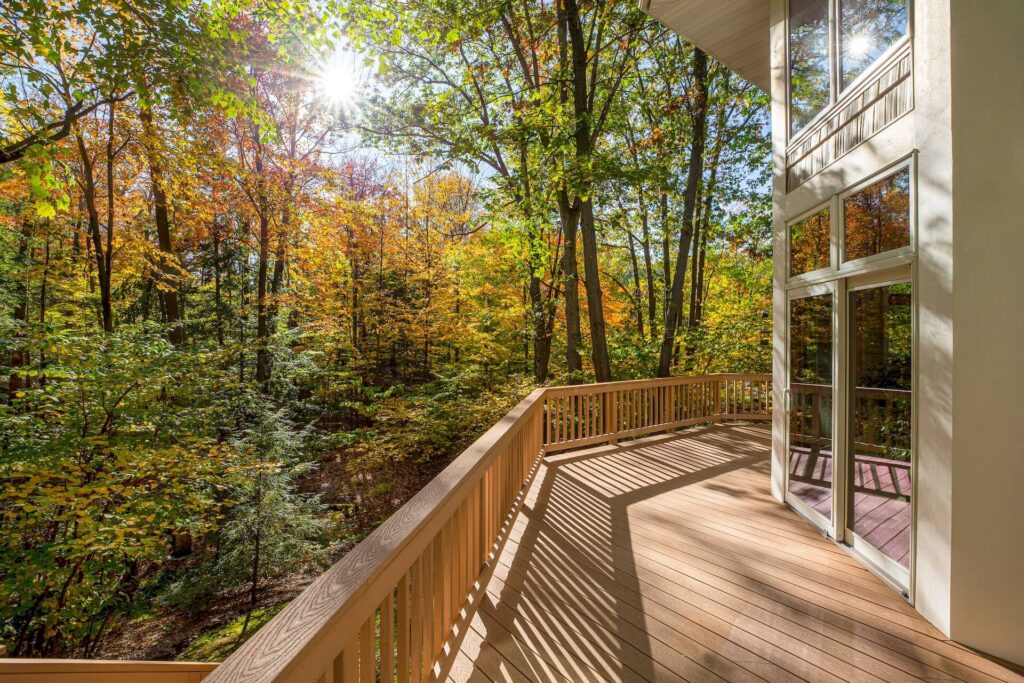
Wooden deck on a home surrounded by fall trees

5 Ways Your Inspection Works in Your Favor

Stronger Footing at the Table

Buyers can point to documented findings when requesting repairs, credits, or a lower price. Sellers who inspect early can fix problems first and price with more certainty.

Safety Concerns Come to Light

Faulty wiring, gas appliance issues, missing smoke alarms, and moisture problems are much easier to handle once they're named and photographed.

A Clearer Repair Budget

Learning that the furnace or water heater is nearing the end of its life lets you set money aside now instead of scrambling later.

Smoother Sales for Sellers

Sharing a pre-listing report shows buyers you're being upfront about the property, which can bring in stronger offers and keep the deal on track.

Confidence on Closing Day

When you understand the condition of the house, you can sign the final paperwork knowing exactly what comes with it.

Frequently Asked Questions

Questions About Your Inspection

I evaluate the visible and accessible systems and components of the home, including the roof, foundation, attic, insulation, plumbing, electrical panel and wiring, heating and cooling equipment, windows, doors, and built-in appliances. Anything that needs attention is documented with photos.

Most take a few hours. The size, age, and condition of the house all play a part, and I’d rather spend extra time than rush past something important.

Clear a path to the electrical panel, furnace, water heater, attic hatch, and crawlspace entrance. Unlock gates and outbuildings, leave the utilities on, and plan for pets to be secured or out of the house during the visit.

That’s the reason to hire an inspector in the first place. I’ll explain the issue, why it matters, and what type of specialist should take a closer look. From there, you and your agent can decide how to handle it in negotiations.

No. I don’t perform repairs on homes I inspect. Keeping those roles separate means my findings stay independent, and you’re free to hire any contractor you trust.

What's Included in a Home Inspection?

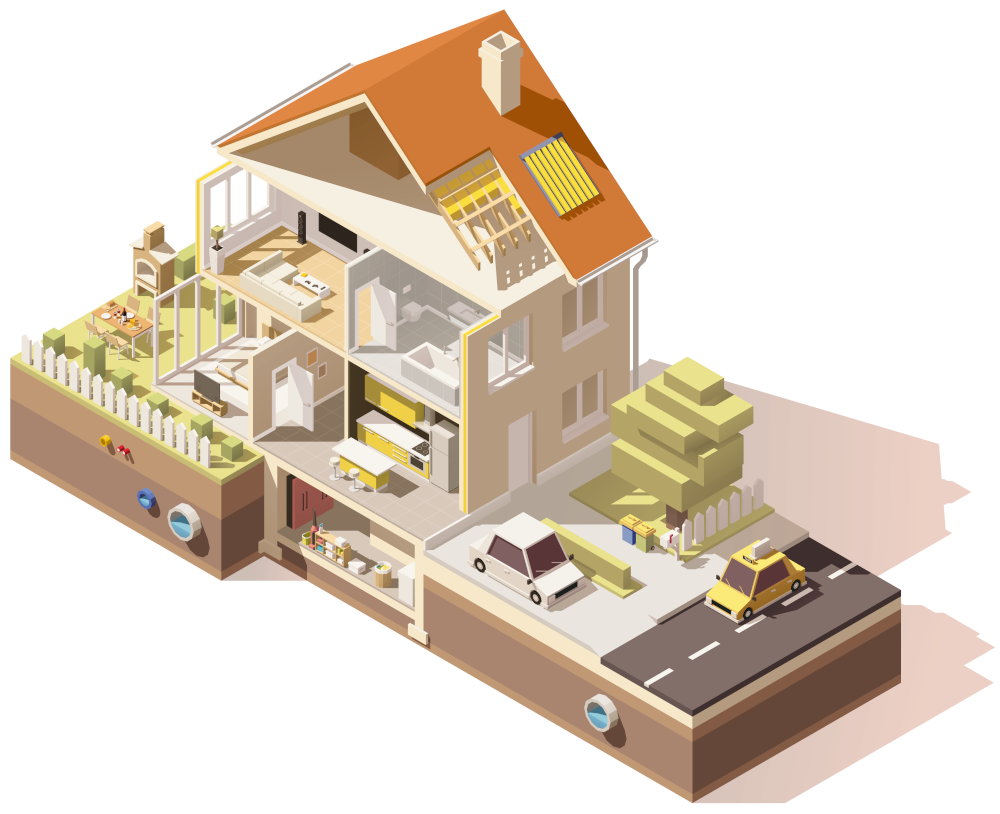
Isometric home illustration of inspection areas
Roof inspection icon

Roof

Roof coverings, gutters, downspouts, vents, flashing, skylights, chimney, roof penetrations and the general structure of the roof.
Attic inspection icon

Attic, Insulation, Ventilation

Insulation and ventilation of unfinished spaces, including attics, crawl spaces, foundation areas and exhaust systems.
Exterior walls inspection icon

Exterior

Siding, windows, exterior doors, flashing & trim, walkways, driveways, stairs, patios & decks, and drainage.
Structure and foundation inspection icon

Basement, Foundation, Crawlspace, Structure

Foundation movement, cracks, structural concerns, and indication of water penetration.
Air conditioning inspection icon

Cooling

Cooling system, location of thermostat, energy source and cooling method.
Heating system inspection icon

Heating

Heating system, location of thermostat, energy source and heating method.
Fireplace inspection icon

Fireplace

Visible portions of the fireplace & chimneys, lintels, damper doors, and cleanout doors & frames.
Plumbing inspection icon

Plumbing

Main water & fuel supply shut-off valves, water heater, interior water supply, toilets, sinks, tubs, showers, drain, waste and vent systems.
Electrical inspection icon

Electrical

Service drop, overhead service conductors, service head & mast, main service disconnect, panelboards, grounding, switches, light fixtures, receptacles deemed to be AFCI & GFCI, and the presence of smoke alarms & carbon monoxide detectors.
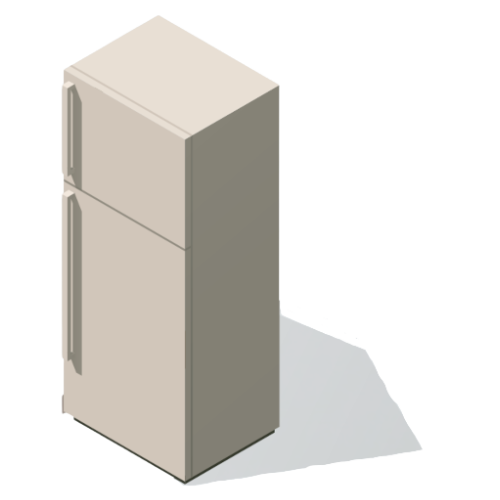
Appliances inspection icon

Appliances

Dishwasher, disposal, range, oven, microwave, refrigerator, exhaust, bathroom heater, garage door, doorbell, and dryer vent
Basement inspection icon

Doors, Windows, Interior

Representative number of doors & windows, floors, walls, ceilings, stairs, railings, garage door and openers.

Spectora logo
© Copyright 2026 Spectora Inc.